
Multi-chain assets
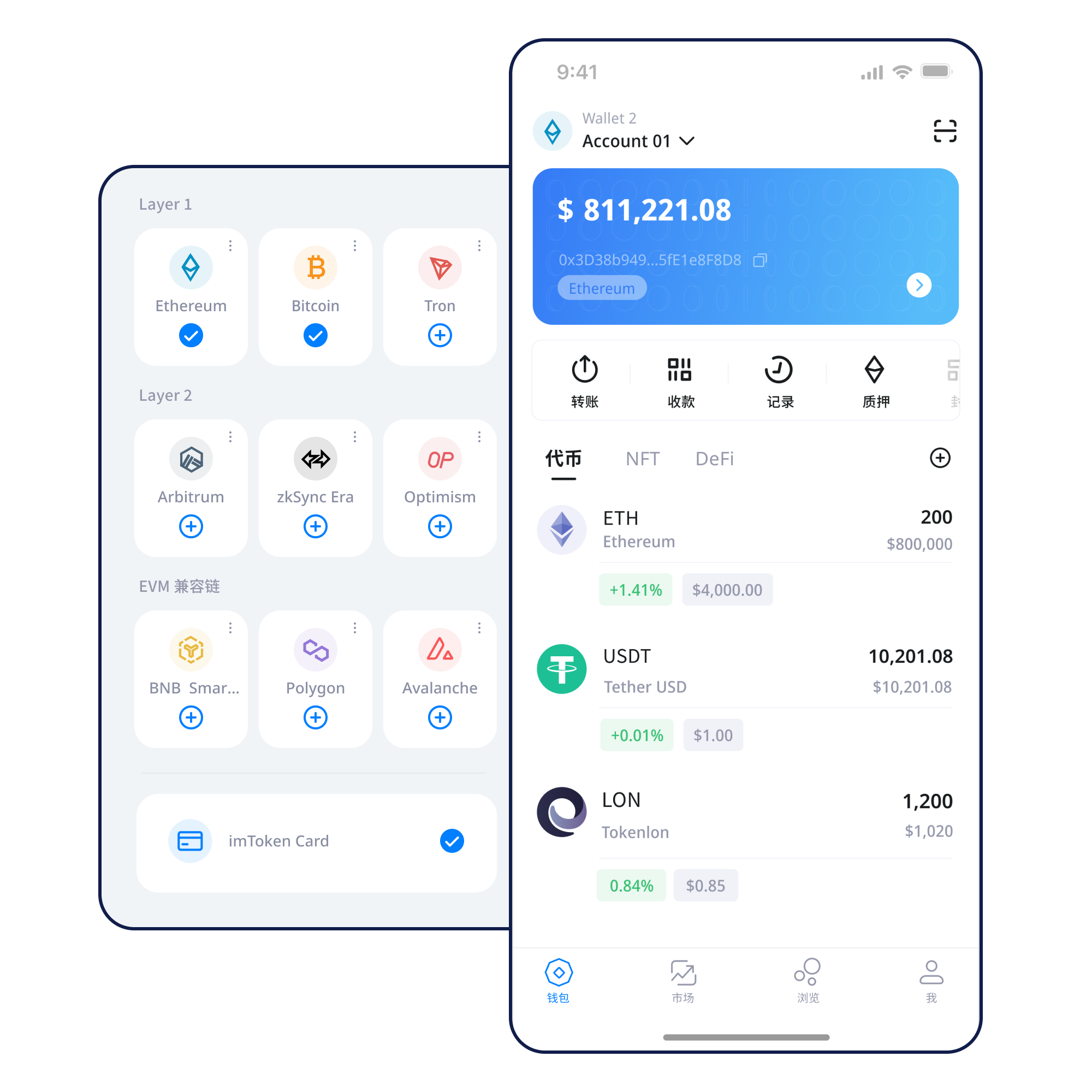
View assets in the context of the network where they exist. Check network differences, destination addresses and confirmations before moving value.
A multi-chain wallet, blockchain network and Web3 knowledge hub from imtoken
Use one clear workflow to understand multi-chain assets, choose the right network, send and receive, connect to DApps, review approvals, and build safer wallet habits. imtoken combines product guidance with practical blockchain knowledge so that every important action can be checked before it is confirmed.
Understand account creation and what must be backed up before receiving assets.
Open guide →Keep recovery information offline and separate from everyday devices.
Open guide →Confirm the receiving address and network before asking someone to send.
Open guide →Check the destination, network, amount, gas, and final confirmation.
Open guide →Verify the domain and review every signature or approval separately.
Open guide →Manage assets, understand networks, review transaction records, connect to DApps, and keep security checks visible throughout the process.
View assets in the context of the network where they exist. Check network differences, destination addresses and confirmations before moving value.
Confirm the receiving address, network, amount, gas and transaction hash as separate pieces of information.
Mobile access for network management, asset views, DApp sessions and transaction records.
Review browser connection requests, approvals and DApp access before confirming.
Keep seed phrases and private keys offline, and review signatures and approvals as independent decisions.
Multi-chain use means understanding that the same wallet can display assets on separate networks. Confirm the active network, the destination network, and the gas asset before acting.
Learn about networks →Public chains are maintained by distributed nodes that propagate, validate, and record transactions in blocks. Block explorers help you read that public state.
Learn about networks →
EVM-compatible networks may share address conventions and tooling, but gas assets, chain IDs, contracts, and balances remain network-specific.
Learn about networks →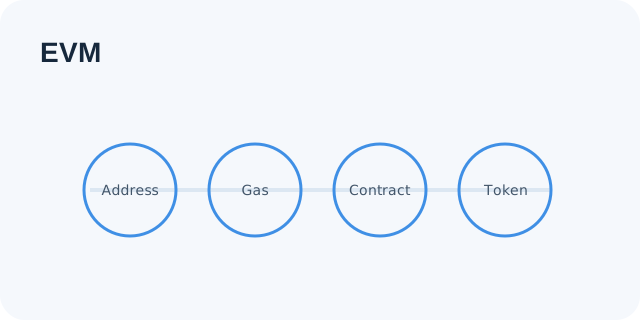
Layer 2 networks scale activity while keeping a defined relationship with a base layer. Bridges, arrival times, and exit mechanics can differ by design.
Learn about networks →
Gas reflects the network resources required for execution. Confirmations show how deeply a transaction has been incorporated into the chain history.
Learn about networks →Use the download entry and review the wallet safety principles before setup.
Understand whether you are creating new recovery material or restoring an existing wallet.
Keep the seed phrase offline and never disclose a private key.
Confirm the network, destination format, and gas asset before using funds.
Check the address, network, amount, and fee before confirming.
Keep transaction hashes and regularly inspect permissions you no longer need.
Connecting a wallet does not mean you should accept every signature or approval. Verify the domain and examine each request on its own.
Seed phrases and private keys remain under the user’s control. imtoken personnel will never ask for them. Use offline backup, verify addresses and networks, inspect DApp signatures, and remove permissions you no longer need. Public devices and public networks add uncertainty, while confirmed on-chain transactions are generally outside a wallet provider’s ability to reverse.
Security CenterBefore the first transfer, understand addresses, seed phrases, private keys, networks, gas, transaction hashes, DApps and approvals. These concepts explain what the wallet is showing and where independent verification is possible.
Start learning →Learn how proof of stake, validators, reward sources, withdrawals and exits work. Rewards are not guaranteed and may change.
Read the staking guide →Consider validator penalties, contract risk, waiting periods, asset-price volatility, and risks introduced by third-party services.
Learn about validators →A wallet manages signing keys and shows the account addresses controlled by those keys. An address can be shared for receiving assets, but seed phrases and private keys should never be sent to anyone.
It is safer not to. Screenshots can be synchronised to cloud storage, device backups, or read by malware. Prefer an offline record stored securely.
A private key typically controls signing for a specific account, while a seed phrase can restore a group of derived accounts. Both are highly sensitive.
Many EVM-compatible networks use similar address formats, but each network has its own chain ID, balances, gas asset, and contract state. Always confirm the network.
Usually no. Gas is the network fee required to execute an on-chain transaction. The wallet helps construct and broadcast the transaction.
A transaction hash identifies an on-chain transaction and can be used in a block explorer to review status, fees, inclusion, and confirmations.
Check the on-chain state using the transaction hash. Congestion and fee settings can affect timing; avoid duplicating the same action simply because an interface is still waiting.
Use the dedicated download entry. Review wallet security before creating or importing an account.